Dial-Up Dreams: Remembering the Wild West of 2000s Wallpaper Sites
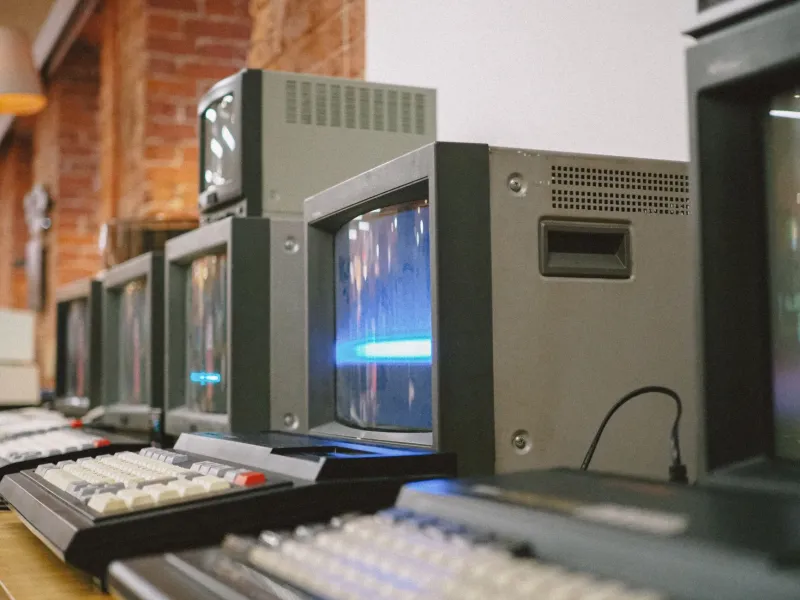
If you were anywhere near a computer in the early 2000s, you probably remember the ritual. You'd type some half-remembered URL into Internet Explorer, wait for a page littered with blinking GIFs and pop-up ads to load, and scroll through grids of low-res images hoping to find the one — that perfect 800x600 background that would make your family's shared desktop feel like yours.
Two decades later, wallpaper hunting takes about four seconds. But a surprising number of Americans still miss the old way. And honestly? Their reasons are worth hearing out.
When Wallpaper Hunting Was a Treasure Hunt
The wallpaper ecosystem of the 2000s was gloriously chaotic. There were the big portals — the ones every kid knew by heart — but the real magic lived in the margins: niche forums dedicated to anime stills, fan sites for NASCAR drivers and WWE superstars, Geocities shrines to bands like Linkin Park, and message boards where users traded custom-made collages of everything from muscle cars to The Sims screenshots.
"You had to dig," says Marcus, a 38-year-old IT administrator from Ohio who still maintains a hard drive of thousands of wallpapers downloaded between 2002 and 2010. "Half the sites were hosted by some teenager in their bedroom. The images were tiny, the watermarks were everywhere, and half the links were dead. But when you found something great, it felt like you'd discovered buried treasure."
That scarcity was part of the charm. Downloading a single wallpaper could take minutes on a dial-up connection, so every image carried weight. You didn't swipe through a hundred options — you committed.
The Weird Democracy of the Old Web
What made that era special wasn't the image quality — let's be honest, a 640x480 JPEG of a Ferrari stretched across a monitor looked rough. It was the culture around it.
Anyone could make a wallpaper site. If you had a copy of Paint Shop Pro and a Saturday afternoon, you could curate your own little gallery of dragon art and Lord of the Rings banners. There were no algorithms deciding what you saw, no sponsored placements, no infinite scroll engineered to keep you clicking. Just passionate people sharing stuff they loved.
Archivists who've spent years preserving these sites say that's the thing people miss most. "Modern wallpaper platforms are incredibly good at what they do — the resolution, the search, the speed," says one digital preservation volunteer who runs a Discord community dedicated to saving pre-2010 web graphics. "But they're all kind of the same. The old web had personality. You could tell a site was run by a human being who cared."
What We Gained — and What Slipped Away
There's no question the modern era is better in the ways that matter most. Today's wallpapers are stunning: crisp 4K and 5K images, dynamic backgrounds, curated collections for every mood and screen size. Sites like FindWallpaper exist because the infrastructure finally caught up to the ambition. The old sites could only dream of this kind of quality.
But a few things got lost along the way:
- Community. Old wallpaper sites had shoutboxes, guestbooks, and forums where users actually talked to each other. Today, comments are rare and interaction is mostly a download counter.
- Curation with a point of view. A 2004 fan site was a statement. Modern collections, however beautiful, can feel interchangeable.
- The joy of the find. When everything is instantly available, nothing feels rare.
Why Retro Wallpaper Culture Refuses to Die
The nostalgia isn't just generational wistfulness. Retro aesthetics — Y2K graphics, pixel art, vaporwave gradients — have come roaring back across American pop culture, showing up in fashion, music videos, and yes, wallpapers. Younger users who never touched a dial-up modem are now hunting down the exact kind of starry gradient backgrounds their older siblings had.
Part of it is aesthetic. Part of it is a reaction against a too-polished internet. When your entire digital life is optimized and personalized, a slightly janky, heartfelt wallpaper from 2003 feels refreshingly authentic.
What Today's Platforms Can Learn
So what's the takeaway for the modern wallpaper world? A few things, probably:
- Let personality show. Collections curated by actual humans with actual taste beat endless algorithmic grids.
- Build community back in. Even small touches — featured user collections, comments, creator spotlights — recreate some of that old-web warmth.
- Embrace imperfection as a style. Retro and pixel-art wallpapers are legitimate art now. Give them shelf space.
- Respect the archive. The wallpapers of the 2000s are internet history. The sites that preserve and celebrate them aren't just trading on nostalgia — they're doing cultural preservation.
The Screen Is the Same; the Feeling Changed
Your desktop wallpaper has always been a tiny act of self-expression — a little flag you plant on the most-viewed piece of real estate in your life. That was true in 2003, and it's true now.
The old wallpaper web is mostly gone, preserved only in archive.org snapshots and aging hard drives. But its spirit — the idea that your screen should say something about you, and that finding the right image should feel like a small victory — is exactly what keeps wallpaper culture alive today.
Dial-up may be dead. The feeling never left.