Suit and Tie at Work, Pajamas at Home: The Wallpaper Split Almost Everyone Has

Photo by Photo by Samsung Memory on Unsplash on Unsplash
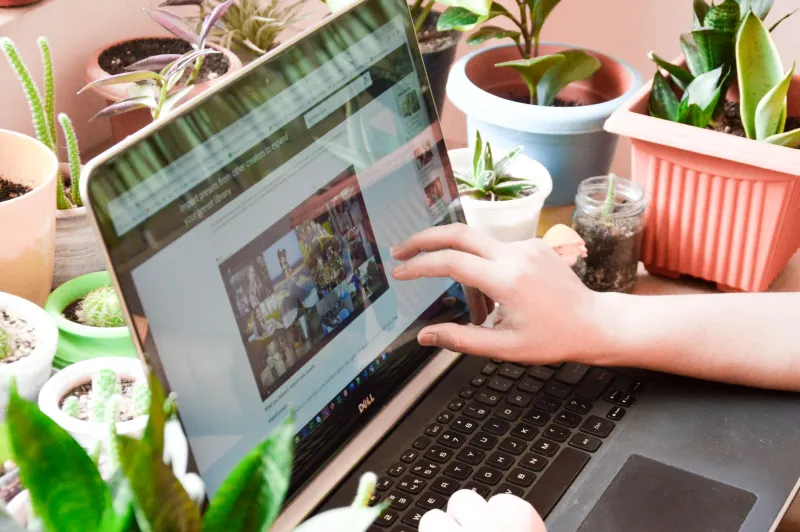
Look at the laptop sitting on the average American's desk during a Zoom call, and you'll see something tasteful: a moody mountain range, a sleek abstract gradient, maybe a subtle dark mode-friendly texture. Now glance at the phone that same person pulls out at lunch. There's a good chance it's a slightly chaotic collage of their cat, their kids, or fan art from a show they'd never mention in a status meeting.
We call it wallpaper code-switching, and if you've never thought about it, you've almost certainly done it. The question is why — and what the split between our work screens and personal screens actually reveals about us.
The Two Lives of a Single Person
Sociologists have long used the term "code-switching" to describe how people adjust their language and behavior depending on the room they're in. Wallpapers are the digital version of that instinct. Your desktop background is the one thing on your screen that every coworker who wanders past — or every meeting attendee during a screen share — can see. It's public-facing real estate.
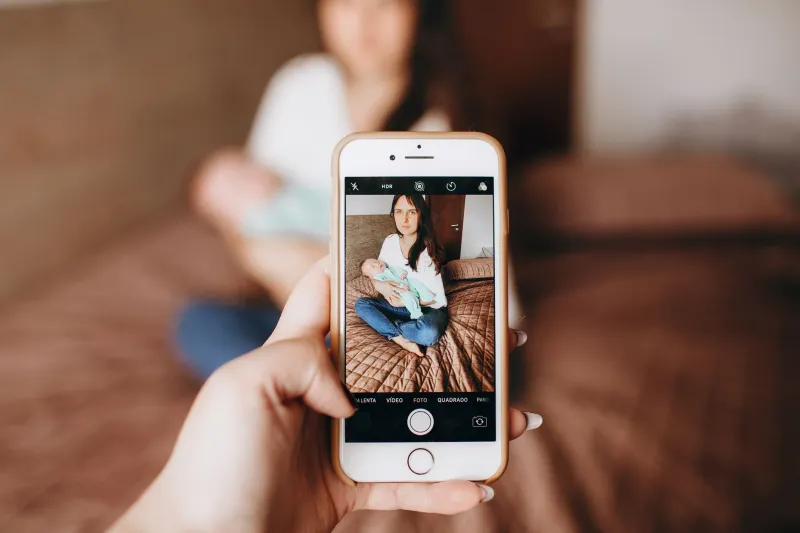
Your phone, on the other hand, is mostly for you. Sure, a barista might glimpse it when you flash your payment QR code, but for the most part, your phone's lock screen is a private space. And private spaces get personal: partner, pets, inside jokes, artwork from a fandom you're deep into.
It's essentially the difference between the outfit you wear to the office and the hoodie you live in on a Sunday. Nobody questions that. But the wallpaper version is interesting because most of us made the split without ever consciously deciding to.
What People Actually Put Where
Anecdotal evidence from Reddit threads, Slack channels, and our own reader mail suggests the pattern is remarkably consistent:
- Work machines: Landscapes, minimal abstract art, gradients, architecture, anything calm and neutral. Dark, low-contrast images are popular because they keep desktop icons visible and don't glare during meetings.
- Personal phones: People. Pets. Screenshots. Concert photos. Occasionally a meme that has outlived its cultural moment by two years.
In other words, the work wallpaper is chosen to be inoffensive, while the personal wallpaper is chosen to be meaningful. One is optimized for an audience; the other for the owner.
Why We Rarely Let the Worlds Collide
Ask someone why they don't put their family photo on their work laptop and you'll usually get a shrug. But dig a little and the reasons are more layered:
Professionalism theater. Even in casual American workplaces, there's a quiet awareness that your screen is part of your professional image. A beach sunset reads "composed." A screenshot of your favorite anime character reads... something else, fair or not.
Privacy in open offices. Not everyone wants coworkers knowing they have a new puppy, a new partner, or a strong opinion about a TV show. A neutral wallpaper keeps the personal off the record.
Context-appropriate mood. There's a functional argument too: a busy, emotionally loaded image can be a distraction when you're trying to crank through a spreadsheet, while a serene landscape sets a calmer tone for focused work.
Pure inertia. Honestly, some people just set a safe wallpaper on their work computer during onboarding and never touched it again. The split exists partly because nobody ever questioned it.
Is the Split Healthy — or a Sign of Something Else?
Here's where it gets a little more interesting. Some workplace psychologists argue that total separation between work and personal identity can feed burnout: if your work screen feels like a set piece rather than a space you belong in, the eight-plus hours you spend there can feel less like your life and more like a shift you're covering.
The counterargument: boundaries are good. Not every part of your identity belongs on the clock, and a little professional distance can protect your personal life from the ambient stress of the office.
Our take at FindWallpaper is somewhere in the middle. The split itself isn't the problem — the problem is when the work screen feels completely joyless. There's a middle path: personal enough to feel human, neutral enough to feel appropriate. A photo of a place you love. Abstract art in a color that makes you happy. A landscape from a trip you actually took, not just a stock mountain.
Trying a Little Cross-Pollination
If your work wallpaper is aggressively beige and your phone is a shrine to your dog, consider borrowing a page from each side:
- Move one personal-but-safe image (a hiking photo, a piece of art you love) onto your work machine and see how it changes the feel of your day.
- Give your phone wallpaper a little intentional refresh instead of letting a three-year-old screenshot run the show.
- Match your wallpaper to your workflow — calmer imagery for deep-focus hours, something livelier for the afternoon slump.
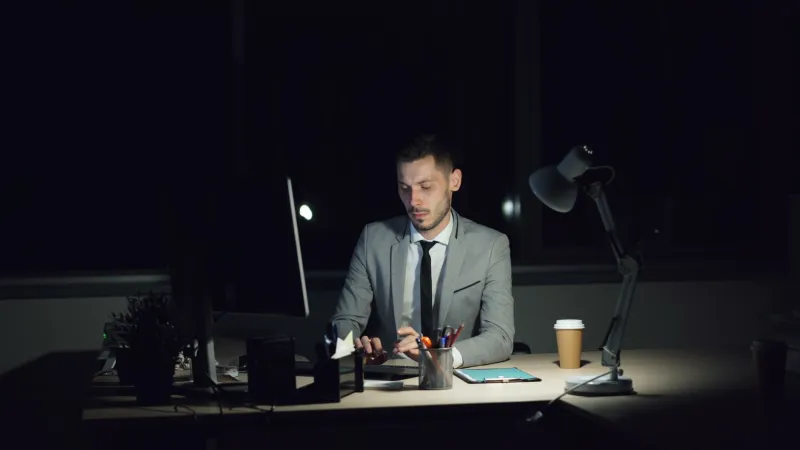
Your screens are where you live more waking hours than anywhere else. It's worth making sure both of them feel like yours — even if one of them has to wear a suit.