From Side Hustle to Six Figures: Inside the Booming Wallpaper Creator Economy

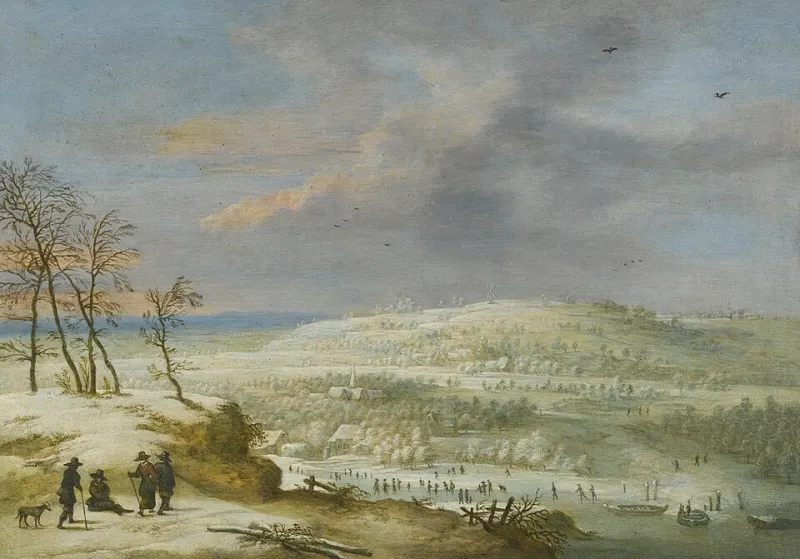
Photo: Thierry Lechanteur, CC BY-SA 4.0, via Wikimedia Commons
Not long ago, if you told someone you made a living selling desktop backgrounds, they'd probably laugh. Today, that same person might ask you for business advice.
The digital wallpaper market has quietly exploded into a multi-million dollar corner of the creator economy, fueled by remote work culture, the aesthetic-obsessed corners of social media, and a growing appetite for personalized digital spaces. Platforms like Gumroad, Patreon, and even Etsy have become unexpected goldmines for independent artists who figured out — sometimes by accident — that people will absolutely pay for the right background image.
So how did we get here, and what does it mean for the future of digital art?
The Numbers Don't Lie
Let's start with some context. The global digital art market was valued at over $3 billion in 2023, and while wallpapers represent a slice of that pie, it's a surprisingly thick one. On Gumroad alone, top-performing wallpaper packs routinely clear $10,000 in a single launch weekend. Patreon creators in the illustration and design space — many of whom offer exclusive wallpapers as a core membership perk — report monthly recurring revenues that rival mid-level corporate salaries.
The shift accelerated hard around 2020. When millions of Americans suddenly found themselves staring at home screens for ten-plus hours a day, the idea of a beautiful, intentional desktop background stopped feeling like a luxury and started feeling like a necessity. Search interest in terms like "aesthetic wallpaper pack" and "4K desktop background" spiked dramatically, and independent creators were perfectly positioned to meet that demand.
How Creators Are Actually Building This Business
The most successful wallpaper artists aren't just talented — they're strategic. The business model that seems to work best right now is a layered approach: free content on social platforms to build an audience, a low-cost entry product (usually a small wallpaper pack priced between $3 and $8) to convert followers into buyers, and then a Patreon or subscription tier for consistent monthly income.
Take the approach used by artists in the lo-fi and cottagecore aesthetic spaces, which have massive followings on Pinterest and TikTok. Many of these creators post process videos — showing how a wallpaper goes from initial sketch to polished final image — and that behind-the-scenes content drives more conversions than almost anything else. People aren't just buying a background; they're buying into the story of how it was made.
Pricing strategy is where a lot of newer creators stumble. The instinct is to underprice, especially when you're starting out. But experienced sellers will tell you the opposite tends to be true: a pack priced at $12 often outsells the same pack priced at $4, because buyers associate higher price points with higher quality. Bundling also works incredibly well — seasonal collections, themed packs around specific aesthetics like dark academia or Pacific Northwest nature photography, and "ultimate" bundles that combine multiple releases into one discounted package.
Platform Breakdown: Where the Money Actually Lives
Not all platforms are created equal, and the savviest creators spread their presence across several.
Gumroad remains the go-to for one-time digital product sales. It's clean, easy to use, and takes a relatively small cut. It's especially popular for artists who want to launch a pack, promote it hard for a week or two, and then let passive sales roll in.
Patreon is the recurring revenue play. Wallpaper artists who offer monthly exclusive packs — often tied to seasonal themes or community votes on what gets created next — build the kind of predictable income that lets them quit their day jobs. The community engagement aspect is huge here; patrons feel like collaborators, not just customers.
Etsy has emerged as a surprisingly strong channel, particularly for wallpapers that lean into specific aesthetics with strong search volume. The platform's built-in audience means creators don't have to do all the marketing themselves, though competition is fierce and SEO knowledge matters a lot.
Instagram and Pinterest function less as sales platforms and more as discovery engines. An artist might not sell a single thing directly through Instagram, but a post that goes viral can send thousands of new visitors to their Gumroad page.
The Audience-Building Game
Every creator interviewed for this piece said the same thing in different ways: the product is almost secondary to the community.
Building an audience that genuinely cares about your aesthetic takes time, consistency, and a willingness to show up even when the algorithm isn't cooperating. The creators who've hit six-figure revenue aren't necessarily the most technically skilled artists in the space — they're the ones who've been most intentional about building relationships with their followers.
One effective tactic is the "wallpaper of the month" free giveaway, where creators offer a single high-quality background at no cost to email list subscribers. This builds a direct communication channel that isn't subject to social media algorithm changes, and it keeps the audience warm between paid launches.
Collaborations between wallpaper artists are also increasingly common. Two creators with complementary aesthetics — say, one who specializes in minimalist geometric design and another who does lush botanical illustration — can cross-promote to each other's audiences and co-release limited packs that feel special and scarce.
What This Says About the Creator Economy
The wallpaper market's growth is a pretty fascinating case study in what the creator economy looks like when it matures beyond obvious content categories like YouTube vlogs or podcast networks.
Digital wallpapers are a niche product, but they speak to something universal: the desire to shape the environment we inhabit, even when that environment is a screen. Americans spend an average of over seven hours a day looking at screens. The background image on those screens is, in a very real sense, part of our daily visual diet. People are increasingly willing to pay to make that diet intentional and beautiful.
For artists who've been looking for a way to monetize their work without licensing it to stock agencies or grinding through commission work, wallpapers offer an unusually clean value proposition. You make something once, and it can sell thousands of times. The overhead is essentially zero. The barrier to entry is low enough that a skilled artist with a decent social media presence can go from zero to their first $1,000 in revenue within a few months.
Getting Started If You're an Artist
If you're a designer or digital artist reading this and wondering whether there's room for you in this market — there is, but it's getting more competitive. The creators who are breaking through right now tend to have a very defined aesthetic point of view. Generic "pretty landscape" packs are a tough sell. But highly specific, mood-driven collections — dark moody coffee shop vibes, retro 80s neon grids, soft pastel spring botanicals — find their audiences quickly because the audience can immediately see themselves in the product.
Start with a small, focused pack. Price it fairly but don't undersell yourself. Post your process. Build your email list from day one. And find the two or three platforms where your target audience actually hangs out.
The wallpaper economy isn't going anywhere. If anything, as screens multiply and personalization becomes more culturally central, it's only going to grow.