One Wallpaper to Rule Them All: Inside the Great American Shared-Screen Negotiation
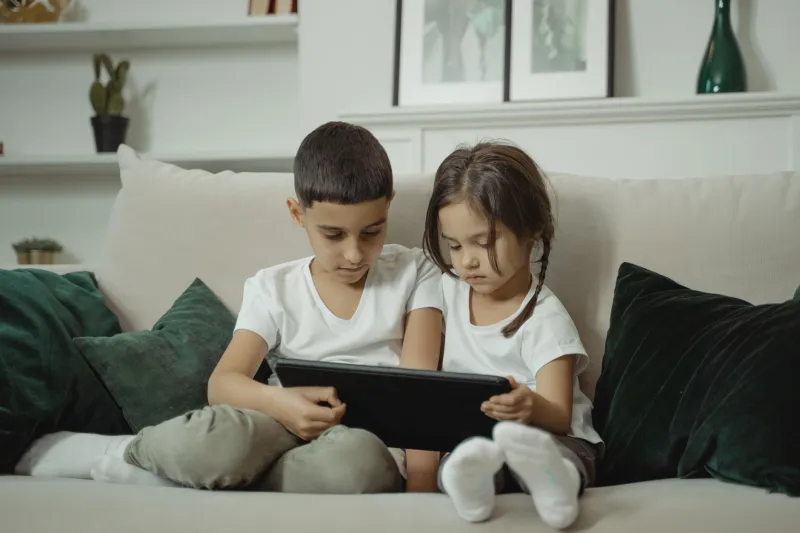
There's a moment in nearly every American household when someone swipes open the kitchen iPad and realizes, with mild irritation, that the lock screen has changed again. Maybe it's now the family golden retriever. Maybe it's a sunset from that trip to Sedona. Either way, somebody made an executive decision — and somebody else wasn't consulted.
Welcome to the shared-screen economy, where one rotating pool of wallpapers quietly serves every device in the house, and where taste is negotiated less like interior design and more like a cold war with a very short truce.
The Communal Device Problem
Unlike your personal phone — sacred territory, customized to your exact emotional wavelength — the family tablet belongs to everyone and therefore to no one. It lives on the kitchen counter or the charging dock by the TV, passed between hands like a casserole dish at a potluck.
That shared ownership creates a strange wallpaper dynamic. Nobody wants to impose their aesthetic on the whole household, but everybody does it anyway. Mom loads up a photo from Thanksgiving at Grandma's in Ohio. The teenager swaps it for something moody and abstract. Dad, three days later, quietly reinstates a picture of the car he's been researching.
It's not malice. It's just the lowest-stakes turf war in American home life.
Why Family Photos Always Win
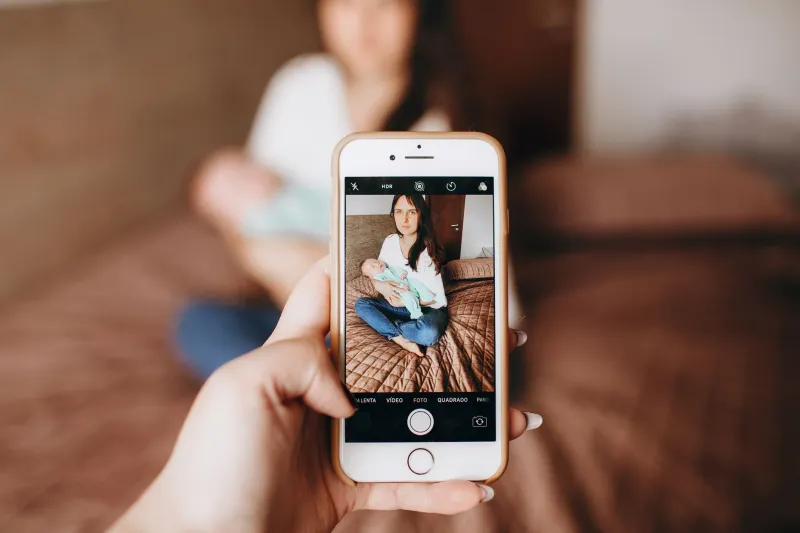
Spend enough time looking at communal screens and you'll notice a pattern: personal taste wallpapers — anime characters, minimalist gradients, motivational quotes — never survive. What endures is the family archive.
A vacation shot from the Outer Banks. The kid's first day of school. The dog wearing a bandana. These images have built-in diplomatic immunity. Who's going to argue against the dog?
There's real psychology underneath this. A photo of people you love carries zero pretension and requires zero explanation. It pleases a twelve-year-old and a seventy-year-old equally. In a household of competing aesthetics, the family photo is the only candidate that can't be voted off the island.
That's why so many American homes eventually converge on a small, sacred rotation: a handful of images that cycle through every device like a family newsletter nobody had to write.
The Unspoken Rules of the Rotation
Every household develops its own constitutional law, even if nobody's ever said it out loud:
- The last touch wins — briefly. Whoever changes the wallpaper enjoys their choice until the next person picks up the device. Usually a day or two. Sometimes forty-five minutes.
- Sentimental images are protected. Swap out the photo from Grandpa's 80th birthday and you will hear about it at dinner.
- Seasonal resets are allowed. Pumpkins in October, snow in December, beach in June. This is the one change nobody complains about.
- Kids get a grace period. Their chaotic wallpaper choices are tolerated the way crayon drawings on the fridge are tolerated — with affection and a firm expiration date.
None of these rules get written down. They're absorbed, enforced through sighs and raised eyebrows, and defended with the phrase "I was going to change it back."
What the Shared Wallpaper Says About the Household
Look closely at a family's communal screens and you get a portrait of the home itself. A device covered in kid drawings and pet portraits says one thing. A rotation of national park photos says another. A single, untouched default wallpaper — the same blue waves that shipped with the device — might say the family has quietly given up on the negotiation altogether.
There's something genuinely sweet about it, too. In an era when everyone has their own personalized everything, the shared wallpaper is one of the last genuinely communal objects in the house. It's the digital equivalent of the fridge door: a small gallery that belongs to everybody, curated by nobody, changing constantly.
Making the Peace Treaty Work
If your household's screen situation has devolved into open warfare, a few truce strategies help:
Build an official family album. Create a shared photo collection of approved wallpaper candidates — everyone contributes, everyone gets veto power. It turns the conflict into a collaboration.
Schedule a seasonal swap. Change the rotation four times a year, together. It gives every family member's taste a guaranteed turn at bat.
Let the lock screen and home screen disagree. One goes to the family photo, the other to whoever's holding the device. It's federalism for your tablet.
Accept the dog. Seriously. The dog wins every election. Nominating the dog early saves everyone time.
The Screen That Brings the House Together
At the end of the day, the wallpaper on the kitchen iPad isn't really about aesthetics. It's a tiny, recurring vote on what your family wants to look at — and more often than not, the answer is each other. The gradient wallpapers and moody abstracts come and go, but the beach photo from that one summer in Michigan? That one's not going anywhere.
So the next time you pick up a shared device and find someone else's choice staring back at you, take a second before you swap it. You might be looking at the closest thing your house has to a family portrait.
And if it's the dog again? Well. The dog earned it.